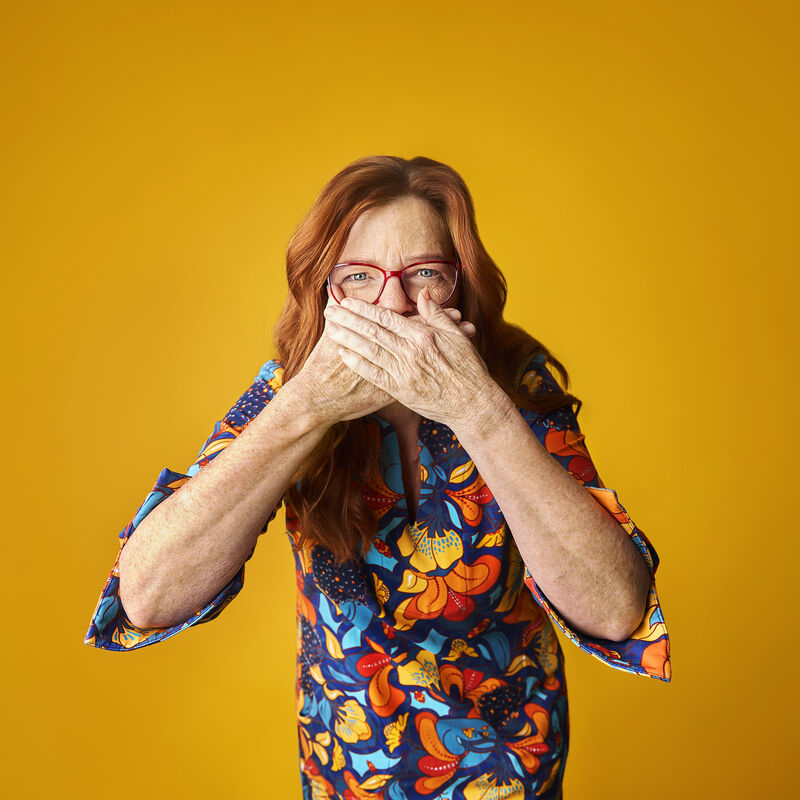
In recent times I’ve seen Leaders become risk adverse, they seem reluctant to go against the prevalent winds. When I’ve explored this with them they explain their silence by saying they’re introverted.
Not apologetically. Matter‑of‑factly. As though that explanation is sufficient.
It isn’t.
Introversion tells us where you draw energy from. It doesn’t determine whether your judgment is sound, whether your experience is relevant, or whether the decision being made will be stronger with your thinking in it. Yet in senior rooms, it’s frequently used to justify withholding perspective at precisely the moment it’s needed.
That hesitation is rarely about personality. It’s about risk. The risk of being seen. The risk of being wrong. The risk of disrupting momentum when everyone else seems comfortable.
When you choose silence as a leader, the risk doesn’t disappear. It simply moves from personal discomfort to collective consequence. Every decision is shaped by the perspectives that make it into the room. When capable leaders opt out, the decision narrows. Assumptions go untested. Blind spots remain politely intact. Diversity of Thought doesn’t fail loudly; it erodes quietly through absence.
This isn’t about becoming more dominant. Most high‑quality decisions aren’t improved by volume. They’re improved by timing. By articulation. By someone being willing to slow the room down long enough to name what hasn’t yet been considered.
Presence doesn’t require performance. Sometimes it’s a single sentence that reframes the issue. Sometimes it’s naming second‑order effects others are avoiding. Sometimes it’s voicing doubt where certainty feels premature.
Speaking up doesn’t compromise your introversion. It fulfils the responsibility that comes with seniority.
If you’re invited into the conversation, your perspective is already assumed to be valuable. The real question is whether you’re prepared to carry the risk of contributing it, because not doing so carries a risk too. One the organisation, not just you, will live with.


Leave a Reply